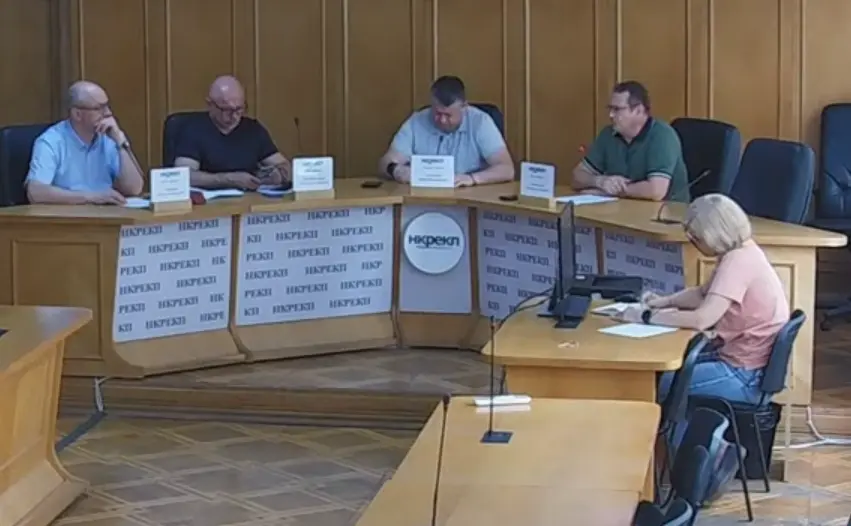
On June 18, 2025, the NCRECU adopted Resolution No. 890, which amended the Rules of the Retail Electric Energy Market, approved by Resolution No. 312 dated March 14, 2018.
These changes in the scope of the “green tariff” will also be extended to garden houses with living space. The decree enters into force on July 1, 2025 or on the day following its publication.
What changes?
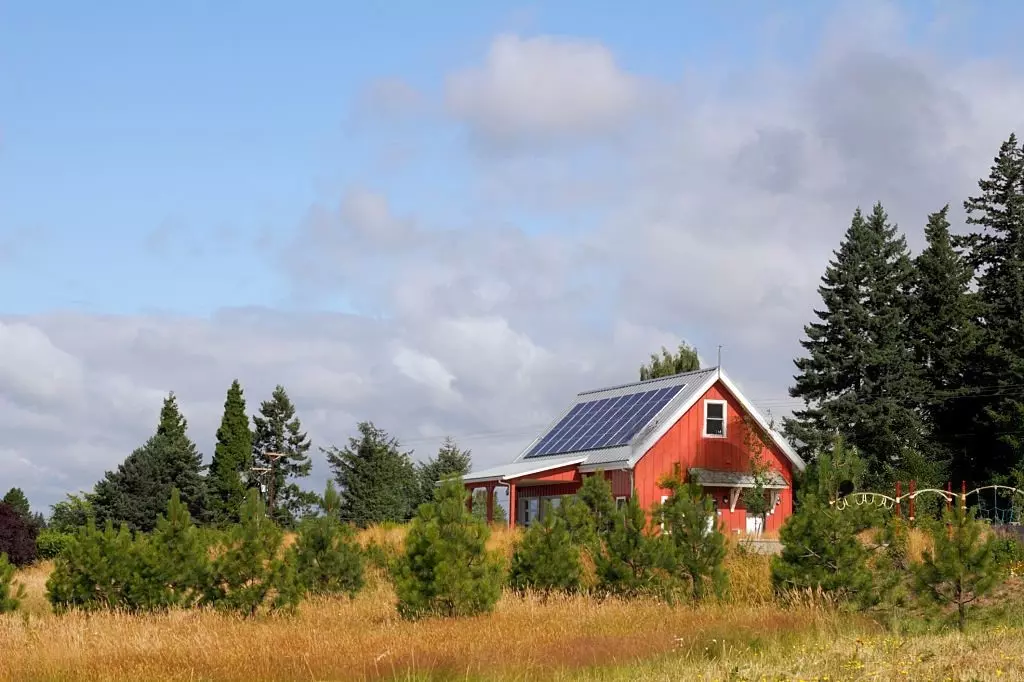
The definition of “private household” has been supplemented: it includes garden houses with a living area, as well as cottages and dachas.
This means that the owners of such objects will be entitled to a “green tariff” – that is, a special rate for the sale of surplus electricity produced by solar panels.
Why is this done?
1
Stimulation of “home” solar generation
The expansion of categories allows an even greater number of citizens to produce their own electricity and sell surpluses.
2
Energy independence
Garden houses are often used seasonally, so receiving income from generation can compensate for the costs of autonomous sources.
3
Simple solution integration
Accumulation systems and inverters will now have greater sales potential due to the expansion of the “green tariff” address.
What does this mean for the market?
More households will be able to feel the benefits of SOLAR + ESS.
The growth of investments in solar generation systems in garden areas.
Increased interest in technologies such as hybrid inverters, batteries, platforms for home generation.
Technical aspect
According to the amendments, garden houses with residential premises are considered to be in the same category as private households, and therefore eligible for connection to a solar power plant with a capacity of up to 50 kW and the use of the “green tariff” according to the rules.
The decision of the National Commission for State Regulation of Energy and Public Utilities of June 18, 2025, is an important step towards the democratization of green technologies and the stimulation of the renewable energy market.
Garden homes with real living space are given equal opportunities with private residents, creating new opportunities for owners, investors, and equipment suppliers.