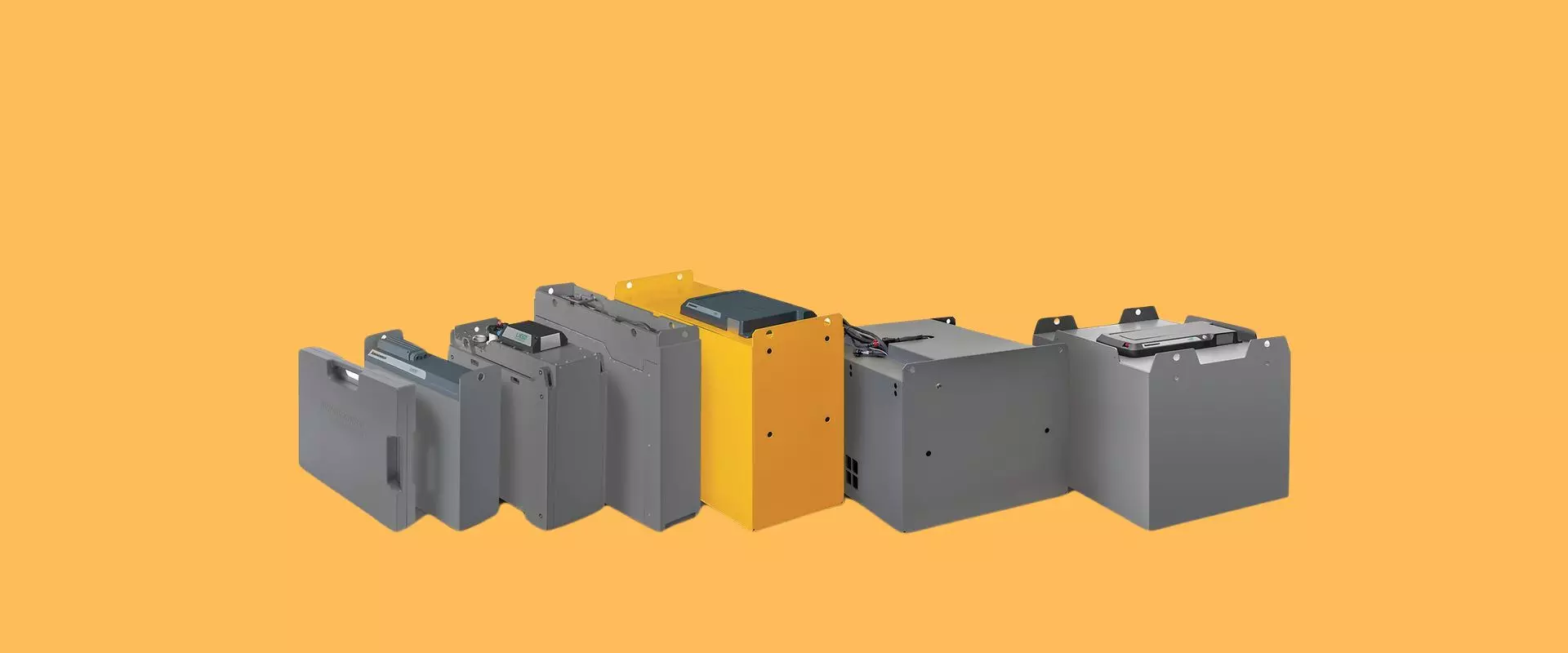
By the end of 2025, the Cabinet of Ministers of Ukraine approved a list of goods subject to mandatory licensing for import and export in 2026. Among these goods were lithium-ion batteries (including separators) – key components of energy storage systems (ESS). This decision created serious problems for the supply of backup power systems, inverters, and storage devices for a wide range of consumers – from hospitals and critical infrastructure facilities to industrial enterprises and households.
It’s important to note that licensing should apply specifically to goods containing controlled substances, particularly ozone-depleting substances or fluorinated greenhouse gases. Most modern lithium-ion batteries do not contain such substances, as manufacturing standards are aimed at minimizing harmful chemical compounds. However, customs controls created barriers that slowed the import of equipment and jeopardized energy security.
It was in this situation that the Solar Energy Association (ASEU) came to the fore.
In January 2026, ASEU submitted an official letter to the Cabinet of Ministers, emphasizing the following key points:
Mandatory licensing of lithium-ion batteries created significant administrative and customs barriers for businesses and investors;
These barriers were measured by the time and resources they diverted from the primary goal of building energy resilience in wartime conditions and increasing grid instability;
The ex ante regulation was disproportionate and inconsistent with both international practice and the technical nature of products that do not contain controlled substances.
The result of this appeal exceeded expectations: the Cabinet of Government Experts took into account the ASEU’s position and reinstated the import of batteries without the need for separate licensing. The corresponding change was introduced by Cabinet of Ministers Resolution No. 102 of January 29, 2026, which excluded lithium-ion batteries, including separators, from the list of goods subject to import and export licensing.
This decision not only restored normal trade and logistics but also removed unwanted administrative barriers for companies and suppliers forming the critical infrastructure of Ukraine’s energy system.
What does this mean for energy security and the market?
Accelerated delivery of ESS equipment: customs procedures have become simpler and clearance times are less burdensome, allowing for faster integration of the required batteries and storage systems.
Strengthening energy system resilience: in times of frequent outages and military risks, autonomous power sources built on lithium-ion technology are becoming not a luxury, but a standard for energy security.
Signal for investors: constructive dialogue between the business association and the government demonstrates that the professional community can influence the formation of policies that contain risks and promote the development of innovative sectors.
In the difficult circumstances of wartime and Ukraine’s energy transition, the decision on lithium-ion batteries is more than just a technical or bureaucratic adjustment. It is a symbol of effective professional lobbying, when the voice of society becomes the voice of constructive change.